 We talk about “peace on earth” every December. We sing it, print it on cards, and hang it on banners. But Scripture never treats peace as something soft or automatic. Biblical peace—shalom—is not decoration; it is a choice and a practice, especially when fear is loud, and violence feels near.
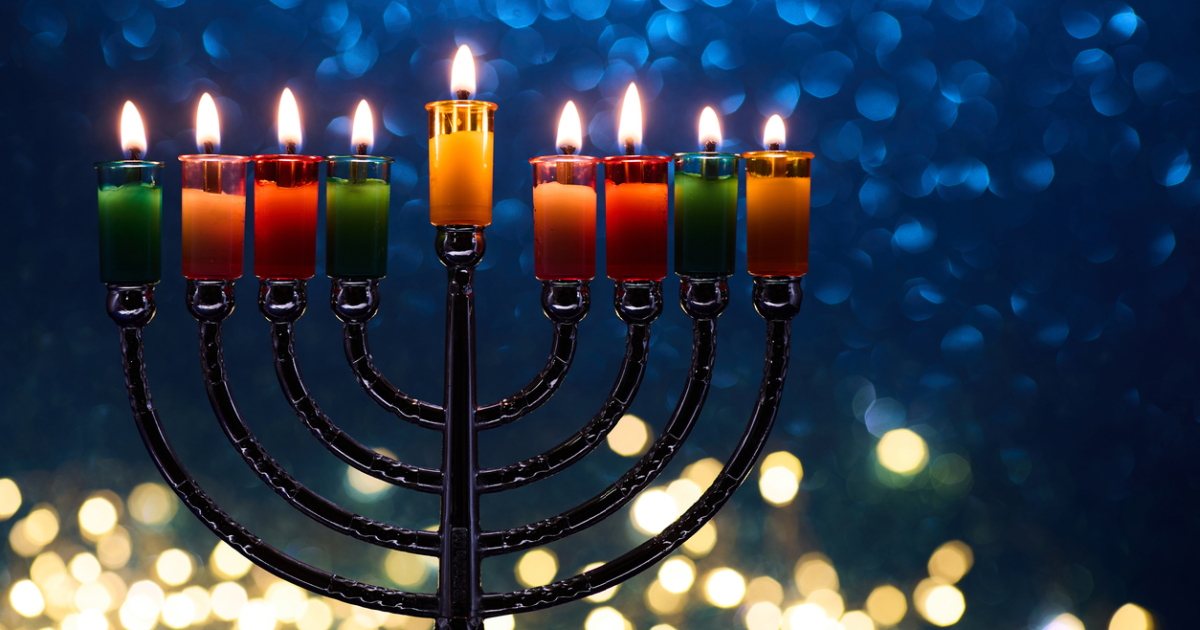
That is why Rabbi Levi Wolff’s words matter now: “A little light dispels a tremendous amount of darkness.” Rabbi Wolff, a Jewish leader in Australia, spoke publicly after a deadly attack that occurred on the first day of Hanukkah last weekend. Hanukkah is a festival about light, memory, and survival. Amid grief and shock, Rabbi Wolff reminded his community—and anyone listening—that even small acts of light can push back darkness. He wasn’t offering a slogan but describing a way of living when hatred reveals itself openly.
Hatred rarely appears overnight. It grows in stages. First comes language that degrades and dehumanizes. Then laws and systems begin to exclude certain groups and treat them as enemies. Fear is repeated until cruelty starts to feel acceptable. By the time violence erupts, it no longer feels shocking—it feels inevitable.
We have seen versions of this before, even if each story has its own scale and should not be collapsed into one. Japanese American families were called threats and locked behind barbed wire. Jewish communities across Europe were blamed, isolated, and later exterminated. LGBTQ+ people were treated as dangers long before a nightclub in Florida became a scene of murder. The numbers differ and the histories are distinct, but the pattern is familiar: violence begins with words that wound, with fear taught and repeated, with lives treated as expendable. Over time, violence becomes routine, accepted, and finally carried out once conscience goes numb.
We are watching this same pattern form again around immigration. Migrants and refugees are cast as threats instead of neighbors, as burdens instead of families. Fear is amplified, suspicion normalized, and policy shaped by panic rather than care. Entire communities live as though one knock could tear them apart. History warns what happens if no one interrupts the pattern.
Isaiah speaks into a world like this (Isaiah 7:10–14). Kings are anxious, empires looming, the future uncertain. And God offers a sign that doesn’t look like strength at all: a child, born quietly, named Emmanuel—God with us. Not God who immediately fixes everything, nor a God above history. God with us, inside the danger, breathing the same noxious air.
Matthew’s Gospel (Matthew 1:18–24) revisits that promise through Joseph, who is torn between fear and faithfulness, between what the law allows and what love demands. Joseph has every reason to walk away from Mary. Instead, he listens, stays, and protects a vulnerable life at great personal cost. Before Jesus heals or preaches, his story is already shaped by someone choosing mercy over fear.
Paul, writing to the Romans, describes his calling in a world ruled by empire and suspicion (Romans 1:1–7). He belongs to Jesus Christ and is sent. Grace, Paul emphasizes, doesn't wait for peaceful times. Faith isn't an escape from history; it's a way of living honestly within it, with God right there with us.
That’s why the news from Australia matters beyond a single terrible day. During that attack, an ordinary man stepped forward—Ahmed al-Ahmed, a Muslim who refused to let violence go unchecked. He didn’t erase the horror or undo the loss, but he moved toward danger instead of away from it. He overpowered one attacker and was injured in the process. His courage saved lives. That act of interruption mattered.
This is what “peace on earth” looks like when it becomes real.
Peace on earth is the courage to stop hatred from spreading. It’s not about pretending violence doesn’t exist but refusing to let it dictate what happens next. In Scripture, peace is never passive. It costs something and is often practiced by ordinary people—many of whom are migrants, neighbors, and outsiders—whose names may never be known.
Rabbi Wolff’s words aren’t naïve. “A little light dispels a tremendous amount of darkness” doesn’t mean the darkness is small. It means the light is real, and small acts—presence, courage, protection—can change what happens next.
Christians call this hope Emmanuel: God with us— with those who grieve, with those who fear, with families crossing borders, facing detention and uncertainty, and with those who, in a brave moment, stand between violence and its victims.
Peace on earth isn’t guaranteed; it’s entrusted. Hanukkah and Advent tell the same story: light isn’t imposed, but preserved. In a world trained to see power through force, light becomes visible when someone chooses courage over fear. That is how peace enters the world—slowly, at a real cost, with just enough strength to prevent darkness from deciding the ending.