 Epiphany is not the climax of the Christmas story. It is the complication.
By the time Epiphany arrives, the child is no longer a promise but a presence. The Incarnation has already become a historical fact. What now emerges is not new light, but a deeper question: Who is this light meant to reach?
Isaiah addresses a people who assume they know the answer (Is 60:1-6). Jerusalem has been chosen, and they believe God’s glory belongs only here...with them. However, the prophet’s vision challenges that certainty. The light does not stop at the city gates; it extends outward—drawing in nations, peoples, cultures, and languages not originally included in the promise. What was once seen as a local light now shines beyond its borders.
The prophet does not describe a takeover or invasion. He describes movement—gifts being carried across distances. People traveling toward something they did not create but are invited to share. This expansion does not diminish God’s glory; it reveals it.
Paul describes this vision as a mystery (Eph 3:2-3a, 5-6). It’s not a puzzle to be solved but a truth to be embraced over time. Gentiles are not an afterthought; they are coheirs. The promise of God was never meant to be owned by one group and kept from others. It was meant to be shared, even when sharing feels risky.
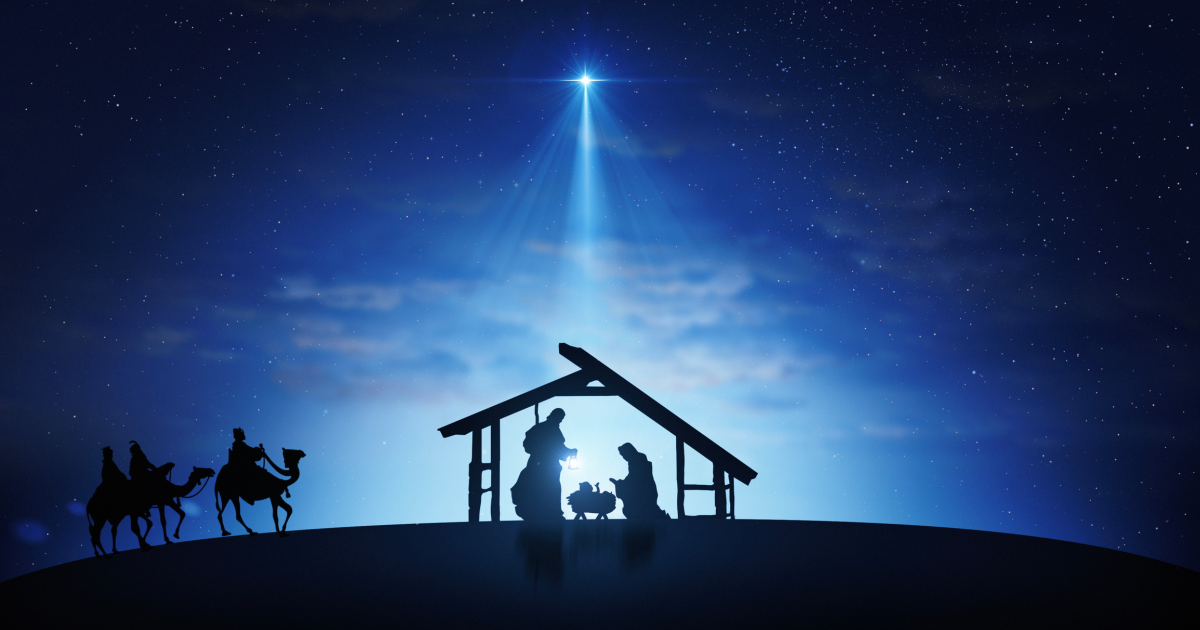
Then Matthew shares a story that reveals the mystery (Mt 2:1-12).
The Magi do not show up with answers; they show up with questions. They follow a light they don’t fully understand, across unfamiliar ground into a land that isn’t their own. They are guided not by certainty but by trust. When they reach the child, they don’t claim him; they honor him.
This matters.
The Magi teach us that revelation does not always come through control or understanding. Sometimes it arrives through movement, vulnerability, and openness to being transformed by what we encounter. They do not try to contain the light—no walls are built around it, no baskets placed over it, no attempt made to take it home and claim it as their own. Their journey is an act of humility. They cross borders not to conquer or possess, but to worship.
Epiphany, then, is not only about God revealing himself to the nations. It is about the nations learning that they were never meant to stand outside God’s promise—that belonging was always part of the plan.
This has implications for how we view one another today.
When people cross borders seeking safety, work, or a better life, they are often reduced to categories or problems to solve. Epiphany challenges that tendency. It affirms that God’s presence is not limited by geography, culture, or legal status. The light of Christ does not need credentials to shine.
The Magi return home changed, not because their journey ends, but because it has transformed them. Encountering the light brings responsibility. Seeing the light alters how one moves through the world.
For the Church, Epiphany isn’t about admiration or nostalgia. It’s about growth. It questions whether our understanding of God is broad enough to include those coming from elsewhere, bringing gifts we didn’t expect and stories we never imagined.
The light has entered the world, and it doesn't stay where we try to place it. It keeps moving, attracting others and expanding the circle of belonging. If Christ is revealed along the road among travelers and strangers, then the Church—still a pilgrim people on the journey home—must be willing to meet Christ there: on the move, at the margins, and in the lives of those still traveling to paradise.